LF logo
by learnformula
search
Log in
search
Courses/Structural/Construction

Advanced Structural Behaviour of Composite Steel and Concrete Systems

Master non-linear analysis, interface mechanics, and advanced design principles to engineer resilient, high-performance steel-concrete structures.
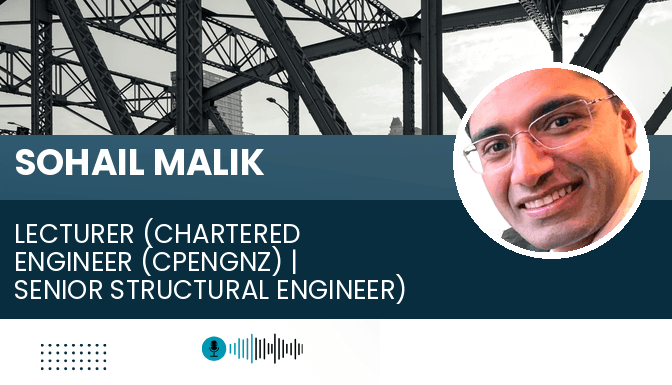
Created bySohail Malik
BeginnerUpdated Sep 18, 2026
Advanced Structural Behaviour of Composite Steel and Concrete Systems

What You'll Learn

check_circleAssess the structural behaviour of composite steel and concrete systems under different loading conditions
check_circleEvaluate load transfer mechanisms, stiffness interaction, and composite action within structural systems
check_circleIdentify the effects of creep, shrinkage, differential shortening, and construction sequencing on performance
check_circleAnalyse stability, vibration, and serviceability considerations in composite structures
check_circleApply advanced detailing and design strategies to improve structural reliability and long-term performance

About This Course

Composite steel and concrete systems are widely used in modern buildings because they combine the strength, stiffness, and efficiency of both materials. While design codes provide established approaches for composite members and floor systems, the real behaviour of composite structures is often governed by factors that extend beyond routine design calculations. Structural engineers must understand how forces are transferred between materials, how stiffness evolves throughout construction and operation, and how long-term effects influence structural performance.

As buildings become taller, spans become longer, and structural systems become increasingly complex, advanced behavioural considerations become critical to achieving safe, efficient, and economical designs. Differential shortening, creep, shrinkage, connection behaviour, diaphragm action, vibration performance, stability effects, and construction-stage loading can significantly influence both structural response and serviceability. In many projects, these considerations govern design outcomes as much as ultimate strength requirements.

This session examines the advanced structural behaviour of composite steel and concrete systems, focusing on the mechanisms that influence strength, stability, serviceability, and long-term performance. Participants will gain practical insight into load transfer, structural interaction, construction-stage behaviour, and detailing considerations, while exploring lessons learned from high-rise, long-span, and complex building structures. The course provides a deeper understanding of the engineering principles that underpin successful composite structural design.

Key Topics Discussed:

  • Composite action and force transfer mechanisms
  • Load sharing between steel and concrete elements
  • Shear connection behaviour and performance
  • Global stability and second-order effects
  • Diaphragm action and structural interaction
  • Creep, shrinkage, and differential shortening
  • Construction-stage loading and temporary conditions
  • Serviceability, deflection, and vibration performance
  • Composite floor systems and long-span structures
  • Transfer structures and complex load paths
  • Connection detailing and robustness considerations
  • Lessons from high-rise and major infrastructure projects

Your Instructor

Sohail Malik
Sohail Malik

Chartered Engineer (CPEngNZ) | Senior Structural Engineer

menu_book1 courses

Sohail Malik, CPEngNZ, is a Senior Structural Engineer with experience delivering structural engineering solutions across a range of building projects. He specializes in structural design, engineering analysis, and project delivery, with a focus on practical, high-quality outcomes. A Chartered Engineer in New Zealand, Sohail is committed to engineering excellence and collaborative project delivery.

Credit Information

What Students Are Saying

0.0
Student's Choice
0 reviews

Frequently Asked Questions

We are a registered provider with 327+ associations and regulatory bodies worldwide. We operate across 29 global markets including Canada, the US, Australia, and the UK. Every course page clearly displays its specific accreditations. Upon completion, you receive a professional certificate that can be validated online. Our certificates include all necessary accreditation details, credit hours, and completion dates, and are formatted specifically to meet the submission requirements of most global regulatory bodies.

You May Also Like

Engineering: Technology & Science

Claude for Workflow Automation in Engineering

star4.8(16)
1 CPD hr
Engineering: Modern Technology

Claude Use Cases for Civil Engineers: Phase 4 - The Agentic Frontier

star5.0(1)
4 CPD hrs
Engineering: Modern Technology

Claude Use Cases for Civil Engineers: Building Infrastructure - Phase 3

star5.0(2)
3.5 CPD hrs