This course is based on a primer which contains various water quality contaminant fact sheets and related fact sheets containing supporting information.
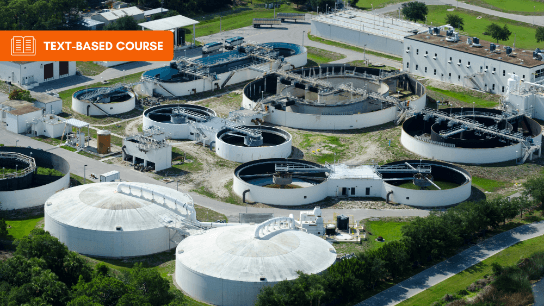
This course is based on a primer that contains various water quality contaminant fact sheets and related fact sheets containing supporting information. The purpose of the contaminant fact sheets is to provide timely and accurate summations of water treatment principles and techniques for various water quality contaminants of concern. The fact sheets are intended as a first source of information for small communities or communities of low economic status which typically do not have the resources to hire water treatment consultants.
Topics: Water treatment acronyms, abbreviations, and glossary Cost Assumptions Raw Water Composition Total Plant Costs WaTER Program (Cost Program Description) Additional data (Fact Sheets) on the 25 top water contaminants: Chemical Data Source in nature SDWA Limits Health Effects Removal Techniques USEPA BAT Alternate methods of treatment Safety and Health requirements Intended Audience: water treatment, hydraulic, mechanical, civil, environmental, and construction engineers and other engineers whose job description may require a basic knowledge of treatment and removal of potable water contaminants. Publication Source: US Dept. of the Interior (Bureau of Reclamation)
2 activities • 1 chapters • duration: 7 hours

Dr. Harlan Bengtson is an online PDH course provider of continuing education courses for professional engineers. Dr. Bengtson is a graduate of Iowa State University with B.S. and M.S. degrees and of the University of Colorado with a PhD. He is a licensed Professional Engineer in Missouri. Dr. Bengtson has spent 30 years in engineering education in teaching and administrative positions, including six years as Dean of Engineering at Southern Illinois University Edwardsville. Dr. Harlan H. Bengtson, PE 33 Grainey Drive Glen Carbon, IL 62034 Phone: (618) 406-6892 E-mail: hnkbengtson@yahoo.com PROFESSIONAL PROFILE Dr. Bengtson is a graduate of Iowa State University with B.S. and M.S. degrees and of the University of Colorado with a PhD. He is a licensed Professional Engineer in Missouri. He has spent 30 years in engineering education in teaching and administrative positions, including six years as Dean of Engineering at Southern Illinois University Edwardsville. His areas of expertise are environmental engineering, hydrology and hydraulics, engineering science and renewable energy systems. He has done regular consulting work while holding the academic positions. Prior to entering academia, Dr. Bengtson worked for Minnesota Mining & Manufacturing as a Product Development Engineer and for E. I. duPont deNemours as a Process Development Engineer. Dr. Bengtson has authored numerous publications, presentations and technical reports. He is currently active as a freelance technical writer, author of continuing education courses for Professional Engineers, and is the founder of www.engineeringexceltemplates.com and www.EngineeringExcelSpreadsheets.com, sites with the objective of providing inexpensive, easy to use Excel spreadsheets for a variety of engineering calculations.
This course provided a comprehensive overview of drinking water contaminants and treatment technologies. The use of fact sheets and comparisons of best available technology made the material easier to understand and directly applicable to real-world water system decision-making.
