
search
Unlock timeless and sustainable design principles, from ancient wisdom to modern innovation, to craft spaces that elevate well-being and endure generations.
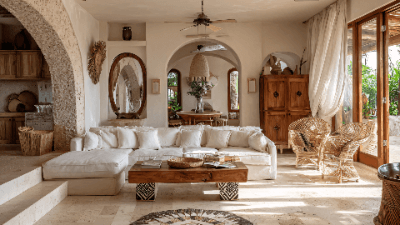
Explore the dynamic landscape of "Current Issues in Interior Design," a comprehensive course delving into the challenges and opportunities shaping the profession today. This essential program offers a vital perspective on cutting-edge topics, empowering designers to create healthier, more sustainable, and culturally resonant spaces.
Improving Wellness with Interior Design: Discover how the built environment profoundly impacts our health and well-being. Learn to design interiors that foster physical, psychological, and emotional balance by exploring the principles and elements of wellness-based design. Gain insights into material selection, color psychology, and the critical role of lighting, plants, and indoor-outdoor integration.
Historic Preservation and Interior Design: Understand the critical importance of preserving historic interiors and the unique threats they face. Learn how properties are designated as historic and the fundamental principles of historically sensitive restorations and rehabilitations. Explore the complexities of accessibility in historic buildings and the role of federal tax incentives in preservation.
Ethical Issues for Designers: Navigate the moral and professional responsibilities inherent in interior design. This section covers compliance with professional codes of conduct, obligations to the public, duties to clients, and responsibilities within the design community. Examine the evolving ethical landscape, including the growing emphasis on environmental responsibility and sustainable design principles.
Introduction to Biophilic Design: Immerse yourself in the concept of biophilia—humanity's innate connection to nature. Learn to integrate biophilic design patterns into built environments to enhance human experience, well-being, and productivity. Explore foundational research, practical applications, and the transformative power of nature-inspired design.
Using Passive Solar Heating and Cooling: Master the principles of passive solar design to create energy-efficient and comfortable interiors. Identify the five key elements of passive solar design and understand their application for both heating and cooling strategies. Gain practical knowledge on shading, ventilation, and how to optimize building performance using natural conditions.
By the end of this course, you will possess a deeper understanding of the multifaceted issues influencing contemporary interior design, enhanced skills for creating impactful and responsible spaces, and a sharpened ethical compass to guide your professional practice.

Online Courses for Engineers
HalfMoon Education is a nonprofit continuing education provider offering live webinars and on-demand courses for engineers, architects, landscape architects, land surveyors, attorneys, paralegals, accountants and others. Since 1996, we’ve helped thousands of professionals nationwide stay current with industry standards and codes, earn CE hours, and advance their expertise through practical, expert-led learning experiences. Learn more about us at: www.halfmoonseminars.org

Interior Designer, The Kubala Washatko Architects
Ms. Steuer has over 15 years of experience as the lead interior designer at The Kubala Washatko Architects, where a design philosophy of Wholeness is practiced, in which the built environment supports and enhances both human activity and natural living systems. With an overarching concern for how people are affected by the built environment, her goal is to integrate restorative and living practices into spaces for the benefit of people and planet. Advocacy for non‐toxic and sustainable design practices is folded into her approach that interiors should be timeless and integrated with the environmental and mcultural context of place. As a lifelong learner who is always diving deeper, Ariel is guided by practical and established methodologies for bringing wholeness to the forefront. By synthesizing various fields of study, she connects the dots to illustrate how human health and wellbeing is interconnected with the quality of our natural and built environments, resulting in new perspectives for approaching how we design buildings and spaces.

Associate professor at Texas State University
Dr. Dedek is an associate professor at Texas State University in the Department of History. He teaches courses in historic preservation, and the history of architecture and interior design. He recently authored The Cemeteries of New Orleans: A Cultural History, (State University of Louisiana Press 2017). He has written two other titles, Historic Preservation for Designers (Fairchild Books, 2014) and Hip to the Trip: A Cultural History of Route 66, (University of New Mexico Press, 2007).

Director with Sheopley Bulfinch
Ms. Bochart’s, background in creating meaningful and healthy spaces can be found in her over 20 years of experience as a designer; shaping spaces for connection, healing and overall well‐being. She is a Director with Shepley Bulfinch and provides consulting services through Lens Strategy, a consulting studio within Shepley Bulfinch. An avid speaker, instructor, leader, and writer, she promotes thoughtfulness and leading‐edge innovations of holistic design with a focus on human health and wellness. Her interior design portfolio includes award‐winning educational, community, international, cultural, residential, and corporate spaces. Her designs and workshops integrate leading edge principles of biophilia (passion for life), mindfulness, evidence‐based design, storytelling, and sustainability to create holistic places of wellness, inspiration and transformation.

Associate Partner, Sustainability Director at Lake Flato Architects
Ms. Holdridge, leveraging her background in mechanical engineering, Heather directs all Lake|Flato teams in establishing sustainability goals. She devises strategies and systems to realize those goals under programs such as LEED, the 2030 Challenge, and the Living Building Challenge. Heather works closely with teams to evaluate passive systems and performs energy modeling throughout the design process. She received a Bachelor of Science degree in Mechanical Engineering from The University of Texas at Austin and a Master of Business Administration degree from The University of Texas at San Antonio.