
search
Master the unseen power of passive fire protection, safeguarding lives and property with resilient, always-on strategies against fire's devastating impact.
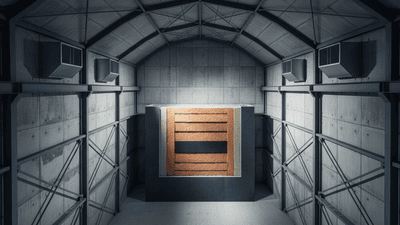
Welcome to "Essential Principles of Passive Fire Protection." This comprehensive course offers a rigorous technical examination of the vital systems within our built environment that continuously safeguard life and property against fire.
You will analyze the mechanics, advanced materials, and essential regulatory frameworks of Passive Fire Protection (PFP), equipping you with the expertise to implement compliant and resilient safety strategies in complex infrastructure. Unlike active systems, PFP is "always on," intrinsically built into a building's fabric to contain fire and smoke without external activation.
Key learning outcomes include:
This course ensures you gain a holistic understanding of how passive measures act as the silent, continuous defenders of our buildings, making fire safety a continuous responsibility woven into the very fabric of construction.

Specialist CPD for the UK’s Engineering Community
Britannia Engineering Learning Hub is a UK-based organisation dedicated to supporting engineers across all disciplines with accredited continuing professional development. Our courses focus on technical competency, regulatory compliance, modern engineering practices, and emerging innovations shaping the UK’s built environment and infrastructure sectors. We help engineers maintain professional registration and stay current in an increasingly complex engineering landscape.
Jerry Luo, PhD, PE, is a licensed professional engineer in Ohio, Louisiana, and Texas, with over 15 years of diverse experience spanning higher education, research, and consulting in civil engineering and construction management. Renowned for his expertise in geotechnical engineering, he has published over 60 peer-reviewed research articles, significantly contributing to advancements in geotechnical risk assessment and infrastructure resilience. He also co-authored a widely recognized textbook on soil dynamics. Jerry has actively contributed to the global engineering community by serving on the editorial boards of multiple international journals and as a member of organizing committees for prestigious conferences. His work bridges academic excellence and industry practice, making a tangible impact on critical engineering projects. His dedication to mentorship and innovation reflects his commitment to shaping the next generation of civil engineers and advancing the profession through research, education, and practice.