
search
Intended Audience: transportation engineers and managers concerned with the operation and maintenance of highway systems.

Nationwide, on average, each year over 7,000 fatalities occur in weather-related crashes. In addition, the cost of repairing roads damaged by harsh winter weather consumes a significant portion of transportation budgets. This course presents best management practices for attempting to decrease the number of crashes caused by bad weather and for reducing associated maintenance costs.
Twenty-seven case studies of systems in 22 states that improve roadway operations under inclement weather conditions are described. Each case study has six sections including a general description of the system, system components, operational procedures, resulting transportation outcomes, implementation issues, as well as contact information and references.
Topics: This course teaches the following specific knowledge and skills: Methods for informing drivers about predicted adverse weather Use of various devices to detect poor visibility and road conditions automatically, without the need for transportation personnel to be present Strategies for minimizing road damage caused by winter storms Effectiveness of various warning systems and road-maintenance techniques as measured by improved safety or reduced costs Implementation problems that may arise with some of the warning systems and road-maintenance techniques Protocols and devices for communicating to transportation managers that potentially dangerous weather conditions exist at some locations in the road network Descriptions of specific system components, including hardware, software, and personnel Strategies for discouraging or, in severe cases, completely restricting drivers’ access to highways, as storm intensity increases
Intended Audience: transportation engineers and managers concerned with the operation and maintenance of highway systems.
Publication Source: US DOT (Federal Highway Administration)
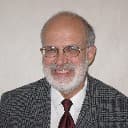
Civil Engneering faculty member for 27 years
Dr. Rossow is a graduate of the University of Michigan with B.S., M.S., and Ph.D. degrees. He is a licensed Professional Engineer in the State of Illinois. He taught civil engineering for over 35 years, including six years at Washington University in St. Louis and 29 years at Southern Illinois University Edwardsville, where he was the Chair of the Civil Engineering Department for ten years. His areas of expertise are in civil engineering and mechanics. He has consulted for various organizations, including government agencies and an international offshore drilling company. He has published numerous technical journal articles and technical reports for a variety of governmental agencies and private sector organizations. Mark P. Rossow, PE, PhD Licensed Professional Engineer in State of Illinois License No. 062.040560 Dr. Rossow is a graduate of the University of Michigan with B.S., M.S., and Ph.D. degrees. He taught civil engineering for over 35 years, including six years at Washington University in St. Louis and 29 years at Southern Illinois University Edwardsville, where he was the Chair of the Civil Engineering Department for ten years. His areas of expertise are in civil engineering and mechanics. He has consulted for various organizations, including government agencies and an international offshore drilling company. He has published many journal articles and technical reports.