
search
Flexible Alternating Current Transmission Systems, Volume I Overview
This 5-hour course explains Flexible Alternating Current Transmission System (FACTS) devices can be employed to improve the stability and increase the load carrying capacity of a high-voltage electric system. There many types of FACTS devices and several devices are discussed in this series. Volume I of this two volume series explains the basics of electric power system operation, provides and overview of the FACTS controllers, and offers an in-depth look at one of the earliest FACTS devices, which is the Static Var Compensator (VAR)
This course includes a multiple-choice quiz at the end, which is designed to enhance the understanding of the course materials.
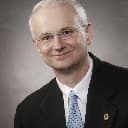
Mr. Layton is an electrical engineering graduate of Auburn University and is a licensed Professional Engineer in Georgia. He also holds a master's in business administration and is a senior member of the Institue of Electrical and Electronic Engineers (IEEE). Mr. Layton began his engineering career in 1978 in the electric utility industry. He has significant experience in managing and operating an electric utility. His experience is not only in the area of electric utility operations; he has provided consulting expertise to numerous industrial facilities in the areas of power quality, energy cost control, plant layout, and building efficiency. Mr. Layton has participated in numerous national research projects including as a member of the Electric Power Research Institute’s (EPRI) Electrical System Division Committee where projects were analyzed and reviewed for funding including projects in FACTS technology and static-var compensator projects. He has participated in research projects with the Cooperative Research Network (CRN), most recently in the development of a utility grade PEM fuel cell. Throughout his career, Mr. Layton has been active in training and developing engineers to lead the utility industry. The training has included all facets of the industry, from technical training, to management, and financial analysis.