Master essential geotechnical drilling and sampling methods to accurately characterize soil and rock conditions for safe, reliable, and effective engineering projects.
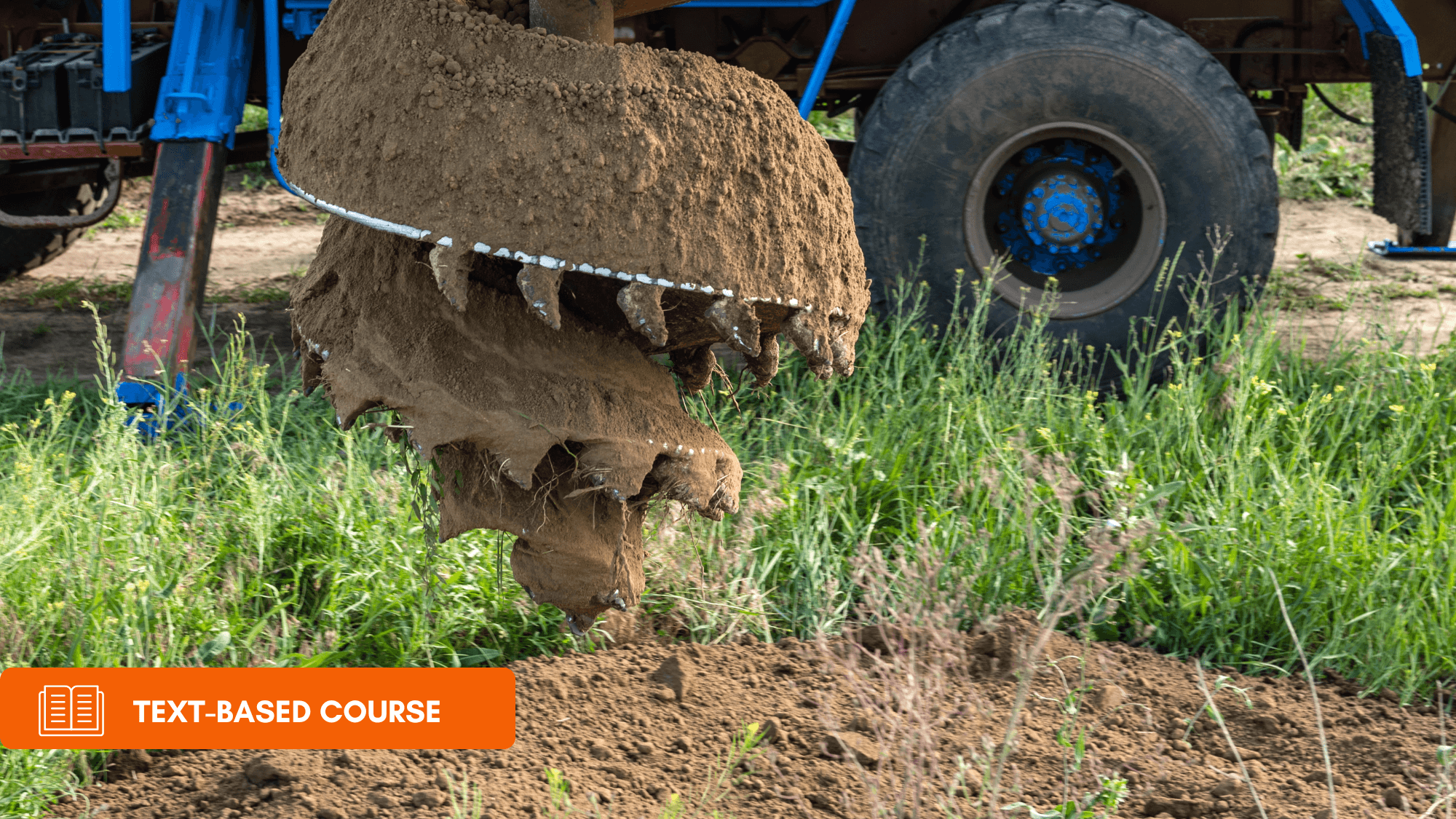
Delve into the critical foundations of geotechnical site characterization with this comprehensive overview of subsurface investigations. Accurate drilling and sampling techniques are the bedrock of safe, effective engineering, environmental, and construction projects.
This course explores the diverse methodologies utilized to extract vital data and materials from beneath the earth's surface. From standard penetration testing and hollow-stem auger drilling to advanced rotary techniques and rock coring, the curriculum provides an in-depth examination of how soil and rock samples are effectively located and retrieved in the field.
The content addresses the strategic selection of appropriate drilling equipment based on geologic conditions, the critical distinctions between disturbed and undisturbed sampling methods, and the precise handling procedures necessary to maintain sample integrity for subsequent laboratory analysis.
Through a detailed exploration of industry-standard field practices, this course illuminates how essential subsurface data is gathered to inform structural design, mitigate geologic hazards, and ensure long-term project stability.
PhD, PE
Jerry Luo, PhD, PE, is a licensed professional engineer in Ohio, Louisiana, and Texas, with over 15 years of diverse experience spanning higher education, research, and consulting in civil engineering and construction management. Renowned for his expertise in geotechnical engineering, he has published over 60 peer-reviewed research articles, significantly contributing to advancements in geotechnical risk assessment and infrastructure resilience. He also co-authored a widely recognized textbook on soil dynamics. Jerry has actively contributed to the global engineering community by serving on the editorial boards of multiple international journals and as a member of organizing committees for prestigious conferences. His work bridges academic excellence and industry practice, making a tangible impact on critical engineering projects. His dedication to mentorship and innovation reflects his commitment to shaping the next generation of civil engineers and advancing the profession through research, education, and practice.
