
search
Cultivate vibrant landscapes that attract crucial pollinators and foster ecological balance. Learn essential design principles for creating thriving, low-maintenance habitats.
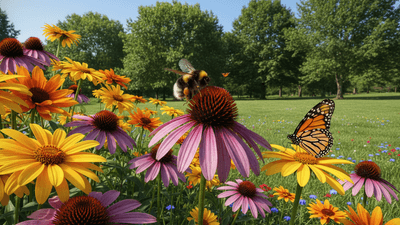
Unlock the secrets to creating vibrant, thriving landscapes that buzz with life in "Landscaping for Pollinators." This course dives deep into the fascinating world of bees and their essential role in our ecosystems, equipping landscape architects, designers, and enthusiasts with the knowledge and tools to design truly pollinator-friendly spaces.
You'll begin by mastering the art of identifying common bees, understanding their unique behaviors, and recognizing the nuances that distinguish them from other look-alikes. This foundational knowledge will empower you to observe your landscapes with new eyes, discerning which plants genuinely attract and support these crucial insects.
The core of the course centers on 10 interconnected principles for urban landscaping that prioritize pollinator health. You will learn to:
Beyond the principles, the course delves into the intricate biology of various bee types, from the social honeybees and bumblebees to the often-overlooked solitary and parasitic species. You'll gain a profound understanding of their life cycles, nesting preferences, and specialized dietary needs, particularly concerning pollen. The course also addresses common misconceptions, like the challenges of establishing wildflower meadows and the importance of responsible bee colony management.
By the end of this course, you will be able to confidently design and manage landscapes that not only look stunning but also actively contribute to the conservation of pollinators, transforming your projects into sanctuaries for biodiversity while meeting client aesthetic and functional goals.

Online Courses for Engineers
HalfMoon Education is a nonprofit continuing education provider offering live webinars and on-demand courses for engineers, architects, landscape architects, land surveyors, attorneys, paralegals, accountants and others. Since 1996, we’ve helped thousands of professionals nationwide stay current with industry standards and codes, earn CE hours, and advance their expertise through practical, expert-led learning experiences. Learn more about us at: www.halfmoonseminars.org

Assistant Professor – Agriculture & Life Sciences
Mr. Melathopoulos is an Assistant Professor in Pollinator Health Extension in the Department of Horticulture at Oregon State University, which was the first such position in the United States. He also sits on the Steering Committee of the Oregon Bee Project, which coordinates pollinator health work across state agencies, leads the Oregon Bee Atlas and hosts a weekly podcast called PolliNation. In 2018 Mr. Melathopoulos was recognized with the national Pollinator Advocate award by the North American Pollinator Protection Campaign.