
search
Stop guessing and start building: gain the foundational skills to design, install, and troubleshoot real-world electrical systems.
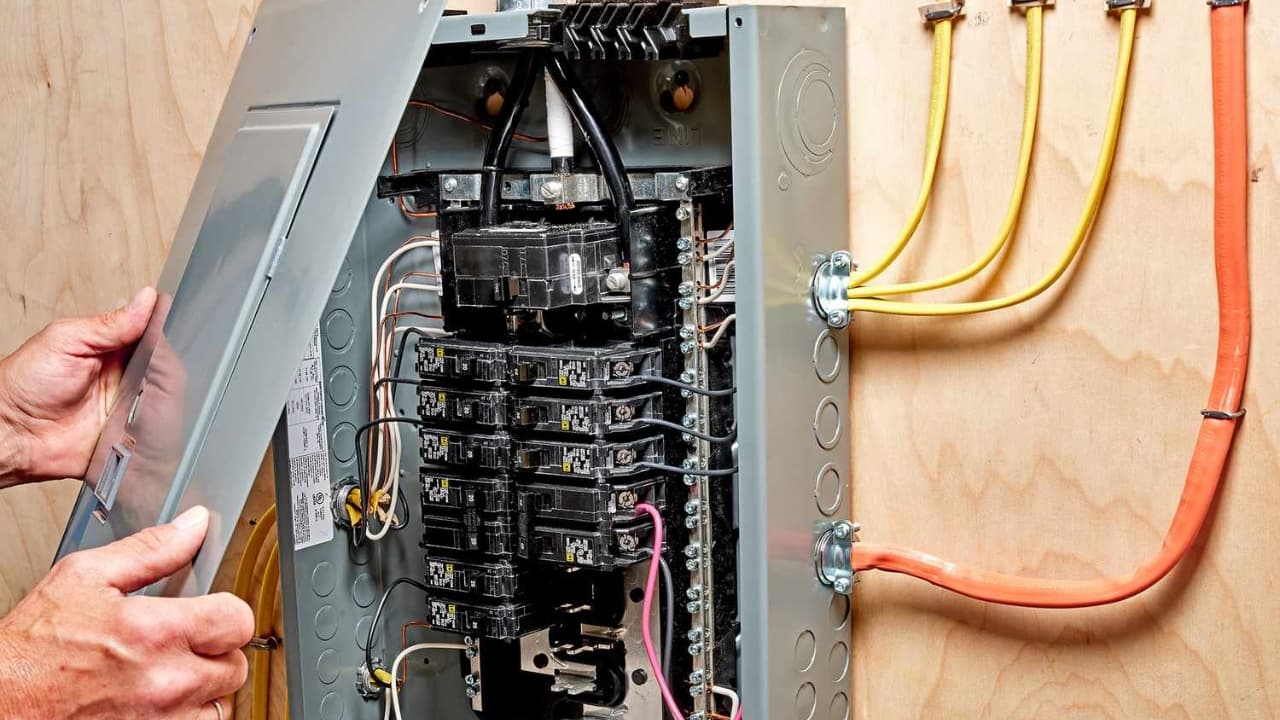
This course is designed to build real-world competency in low-voltage electrical wiring for 120/240-volt residential and light commercial systems. Developed specifically for entry-level engineers, technicians, apprentices, and vocational students, the course bridges the gap between electrical theory and practical field application.
Rather than presenting isolated concepts, the material follows a structured, progressive learning path. Students begin with core electrical fundamentals—voltage, current, resistance, Ohm’s Law, AC theory, and power calculations—and then systematically advance into applied wiring practices, device installation, grounding and bonding systems, and power panel design. Each chapter builds logically on the previous one, reinforcing understanding while increasing technical depth.
Safety and code compliance are integrated throughout the program. Emphasis is placed on hazard recognition, proper de-energization procedures, personnel classification, and lockout/tagout principles. National Electrical Code (NEC) requirements are woven directly into instruction so that students learn code-compliant practices as part of every topic rather than as a separate subject.
Key areas of study include:
Electrical fundamentals and circuit analysis
Interpretation of electrical drawings and wiring diagrams
Electrical boxes and their selection, cable types, and connectors
Switches, receptacles, GFCI, and AFCI protection
Wire sizing, load calculations, and voltage drop
Grounding and bonding systems
Power panel layout and service equipment
Systematic troubleshooting methods
Upon completion, students will be able to read and interpret electrical diagrams, calculate residential circuit loads, select proper conductor sizes, install common wiring devices, apply grounding and bonding requirements, work confidently with panels and service equipment, and diagnose common wiring faults.
No prior field experience is required. Only basic electrical awareness, simple algebra skills, and mechanical aptitude are expected. The course is structured as a complete entry point into the electrical trade while also providing a solid technical foundation for those pursuing licensing, apprenticeship advancement, or further engineering study.
This program prepares learners for entry-level professional competency in residential and light commercial electrical work—turning foundational knowledge into practical capability.

An entire career in the power sector of engineering, Graham graduated from Queen's university coupled with subsequent studies with Wilfrid Laurier University to travel the globe and apply his skills and garner his protection and control experience internationally. His passion for staying in touch with his profession and his kinship for mentoring has kept him in front of an audience of learners.