
search
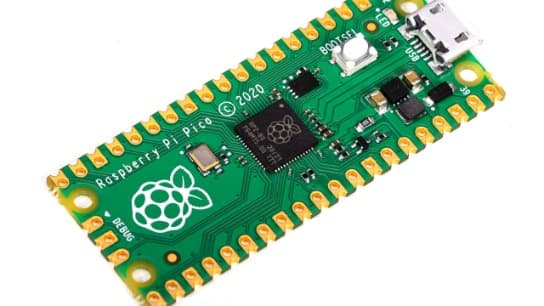
Microcontrollers are specialized microprocessors. Three of the most popular processor architectures include the Harvard architecture where data memory and program memory are accessed separately, the von Neumann architecture where data memory and program memory are accessed from the same bus, and the modified Harvard architecture which is a combination of the previously mentioned two. The central processing unit (composed of the arithmetic logic unit, registers and control unit) functions as the brain or core of the processor. The central processing unit processes machine code stored in memory to control all of its functions. The machine code is compiled or assembled from the processor’s instruction set which defines all of the operations of the microcontroller. To complement their functionality, microcontrollers include a suite of peripherals such as input/output pins, timers, a real-time clock, and communications controllers.

Mark Strain has over 25 years’ experience in designing and developing embedded systems ranging from precise time and frequency standards, remote monitoring systems, cryptographic communications equipment, and advanced weapon systems for the warfighter. He has designed and developed systems with 8-bit microcontrollers in bare metal systems and systems with complex real time embedded operating systems on 32-bit microprocessors. He is currently a Software Engineering Manager for a large defense contractor. He has a Bachelor of Science degree in Electrical Engineering from the University of Central Florida and a Master of Science degree in Electrical Engineering from the University of South Florida. He is a registered Professional Engineer in the State of Florida. He has written many courses for Professional Engineers for continuing education in the areas of computer engineering and electrical engineering. He enjoys studying cosmology and is a published author of Cosmic Entity: A Timeless Perception of the Universe. He lives in Winter Garden, FL with his wife and two children.