
search
Intended Audience: This course is intended for civil and transportation engineers concerned with the design and operation of highways.
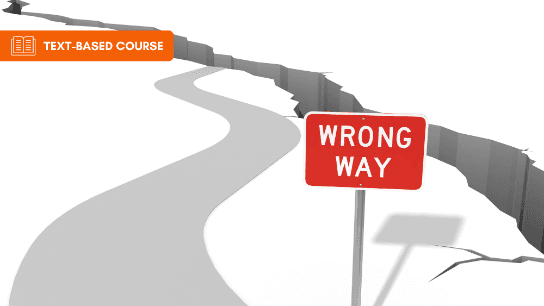
Driving the wrong way on freeways has been a consistent traffic safety problem since the interstate system was opened in the 1950s. From 1996 to 2000 alone, over 1,700 people were killed and thousands more were injured in wrong-way crashes in the United States. The average direct economic loss from such crashes is estimated to be over ten million dollars per year. The purpose of this course is to identify the contributing factors to wrong-way crashes on freeways and to develop promising, cost-conscious countermeasures to reduce these driving errors and their related crashes. Factors found to be significant are alcohol impairment, age, gender, physical condition, driver’s experience and knowledge, time of day, and interchange type. Vehicle type, seat belt use, lighting, roadway alignment, driver age group, first vehicle contact point, and driver condition (blood alcohol concentration level) are shown to have an impact on crash severity. Types of countermeasures such as signage, pavement markings, geometric design, and ITS vehicle detection systems are discussed. Applications to twelve specific interchanges are presented.
Topics: This course teaches the following specific knowledge and skills: Understanding the causes of wrong-way driving Knowing the relative ranking of such causes Learning the correlations between various contribution factors such as age of driver, alcohol impairment Understanding the use of the four E’s (engineering, education, enforcement, and emergency response) in developing effective countermeasures Knowing the use and drawbacks of automated vehicle detection systems Understanding the importance of sign legibility, placement, size, and wording Knowing the existing state of the art through a thorough literature review Understanding the factors affecting injury severity Understanding the use of a sign package Becoming familiar with the use of a checklist for identifying the conditions of existing signage, pavement marking, and geometric.
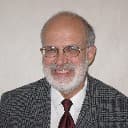
Civil Engneering faculty member for 27 years
Dr. Rossow is a graduate of the University of Michigan with B.S., M.S., and Ph.D. degrees. He is a licensed Professional Engineer in the State of Illinois. He taught civil engineering for over 35 years, including six years at Washington University in St. Louis and 29 years at Southern Illinois University Edwardsville, where he was the Chair of the Civil Engineering Department for ten years. His areas of expertise are in civil engineering and mechanics. He has consulted for various organizations, including government agencies and an international offshore drilling company. He has published numerous technical journal articles and technical reports for a variety of governmental agencies and private sector organizations. Mark P. Rossow, PE, PhD Licensed Professional Engineer in State of Illinois License No. 062.040560 Dr. Rossow is a graduate of the University of Michigan with B.S., M.S., and Ph.D. degrees. He taught civil engineering for over 35 years, including six years at Washington University in St. Louis and 29 years at Southern Illinois University Edwardsville, where he was the Chair of the Civil Engineering Department for ten years. His areas of expertise are in civil engineering and mechanics. He has consulted for various organizations, including government agencies and an international offshore drilling company. He has published many journal articles and technical reports.