
search
Master OSHA compliance and prevent catastrophic accidents by learning the exact procedures required to safely control and isolate hazardous energy in the workplace.
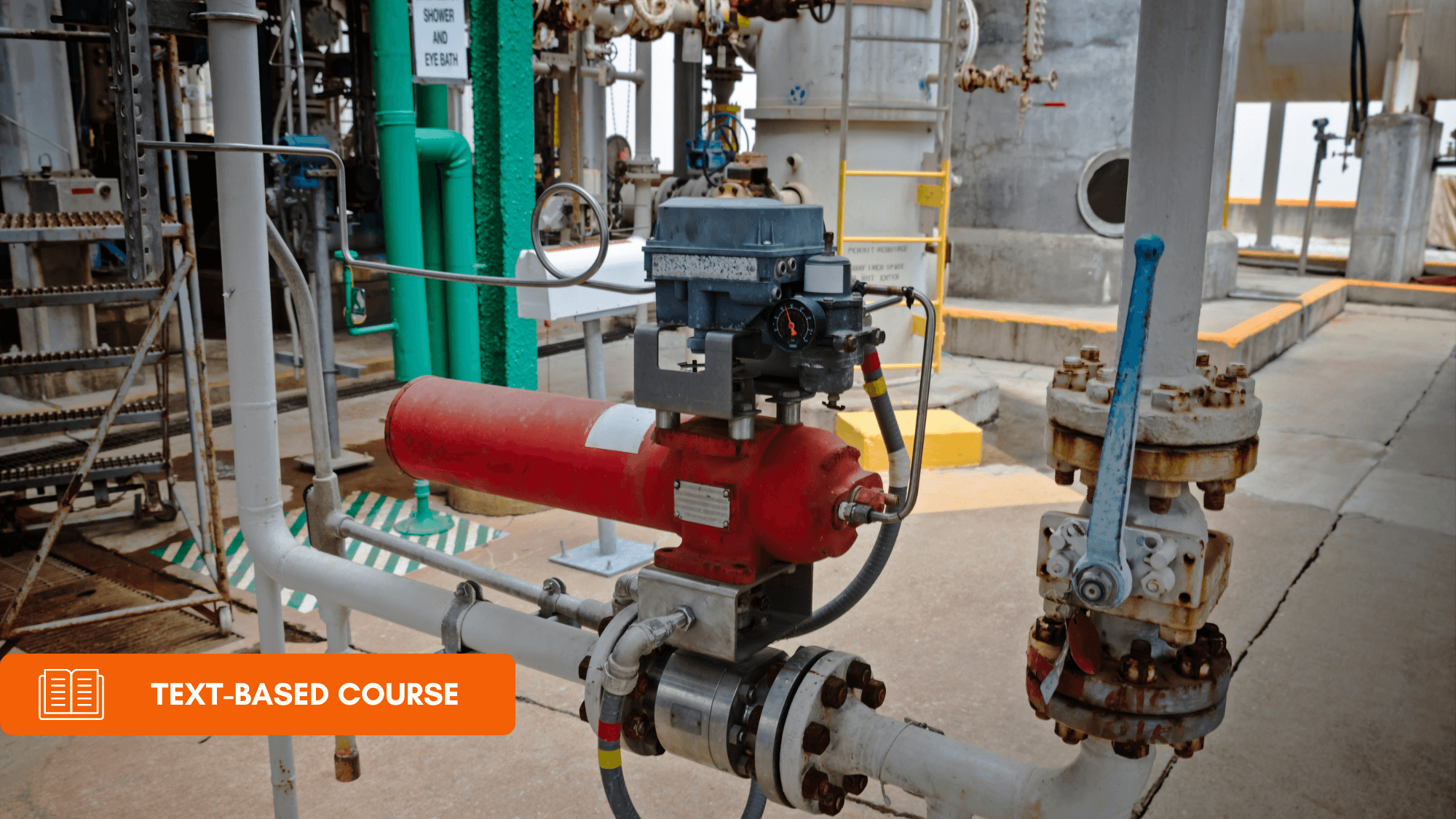
Every year, thousands of workers face severe injury or death due to the unexpected startup of machinery or the sudden release of hazardous energy during routine maintenance and servicing. This course provides a comprehensive overview of the Lockout/Tagout (LOTO) standard, the critical regulatory framework designed to prevent these catastrophic workplace incidents. Exploring the core requirements of hazardous energy control regulations, the material breaks down the essential components of a robust, compliant safety program.
The overview covers the rigorous procedures required for energy isolation, the proper application and removal of locks and tags, and the distinct responsibilities assigned to authorized, affected, and other employees. Through a detailed examination of standardized safety practices, this course delivers the foundational knowledge necessary to effectively neutralize electrical, mechanical, hydraulic, and pneumatic hazards, ultimately fostering a culture of uncompromising workplace safety and regulatory compliance.

Engineering Expert
Tiffany Miller is an accomplished engineering leader with more than 20 years of experience in manufacturing, mechanical engineering, process optimization, and operational excellence. She began her career through a formal engineering apprenticeship at the age of 16 while earning an Associate of Applied Science in Engineering Design, graduating with three Dean’s List honors. She went on to earn her Bachelor of Applied Science in Engineering, graduating Summa Cum Laude, before serving for over a decade as Head of the Manufacturing Engineer team, leading complex manufacturing operations, process improvements, and cross-functional engineering initiatives. Committed to continuous growth, Tiffany later earned her Master of Business Administration (MBA), graduating with a 3.7 GPA while specializing in Lean Six Sigma and earning her Lean Six Sigma Green Belt certification. Today, she serves as an Engineering Manager, providing strategic leadership for both Mechanical Engineering and Manufacturing Engineering teams. Her expertise includes manufacturing engineering, product development, Lean manufacturing, quality systems, continuous improvement, project management, and building high-performing engineering teams. Tiffany is passionate about developing practical, innovative solutions that improve efficiency, enhance product quality, and deliver measurable results for both organizations and their customers.