
search
Master the complexities of Sick Building Syndrome and design healthier, more sustainable indoor environments
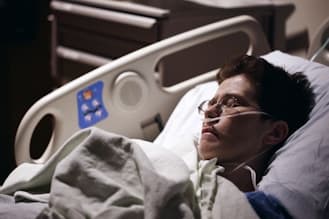
Sick Building Syndrome (SBS) has evolved as a critical concern in architecture and urban planning, particularly as modern building technologies increasingly impact indoor air quality and occupant health. This course provides a comprehensive overview of SBS, exploring its origins, risk factors, and the latest advancements in mitigating its effects through design and engineering. Participants will analyze case studies and data-driven approaches to identify the role of ventilation, material selection, and environmental controls in reducing SBS symptoms.
This course emphasizes proactive solutions for SBS prevention at the design stage, offering actionable strategies for professionals in the building and health industries.
Key topics include:
• The evolution of SBS from its origins to current research advancements.
• Effective design interventions and ventilation strategies to mitigate SBS risks.

ArchiCraft Academy specializes in continuing professional development for architectural professionals, offering a diverse range of courses focused on sustainable design, cutting-edge construction methods, and digital architecture tools. With a mission to empower architects to excel in a competitive industry, ArchiCraft combines theoretical knowledge with practical insights from experienced practitioners. Our programs cater to professionals seeking to elevate their skills and adapt to the future of architecture.
Jerry Luo, PhD, PE, is a licensed professional engineer in Ohio, Louisiana, and Texas, with over 15 years of diverse experience spanning higher education, research, and consulting in civil engineering and construction management. Renowned for his expertise in geotechnical engineering, he has published over 60 peer-reviewed research articles, significantly contributing to advancements in geotechnical risk assessment and infrastructure resilience. He also co-authored a widely recognized textbook on soil dynamics. Jerry has actively contributed to the global engineering community by serving on the editorial boards of multiple international journals and as a member of organizing committees for prestigious conferences. His work bridges academic excellence and industry practice, making a tangible impact on critical engineering projects. His dedication to mentorship and innovation reflects his commitment to shaping the next generation of civil engineers and advancing the profession through research, education, and practice.