LF logo
by learnformula
search
LearnFormula BusinessLog in
search
Courses/Engineering/Environmental Engineering

Wetland Delineation

Master the critical skills and methodologies for accurate wetland identification and delineation, ensuring compliance and effective environmental project planning.
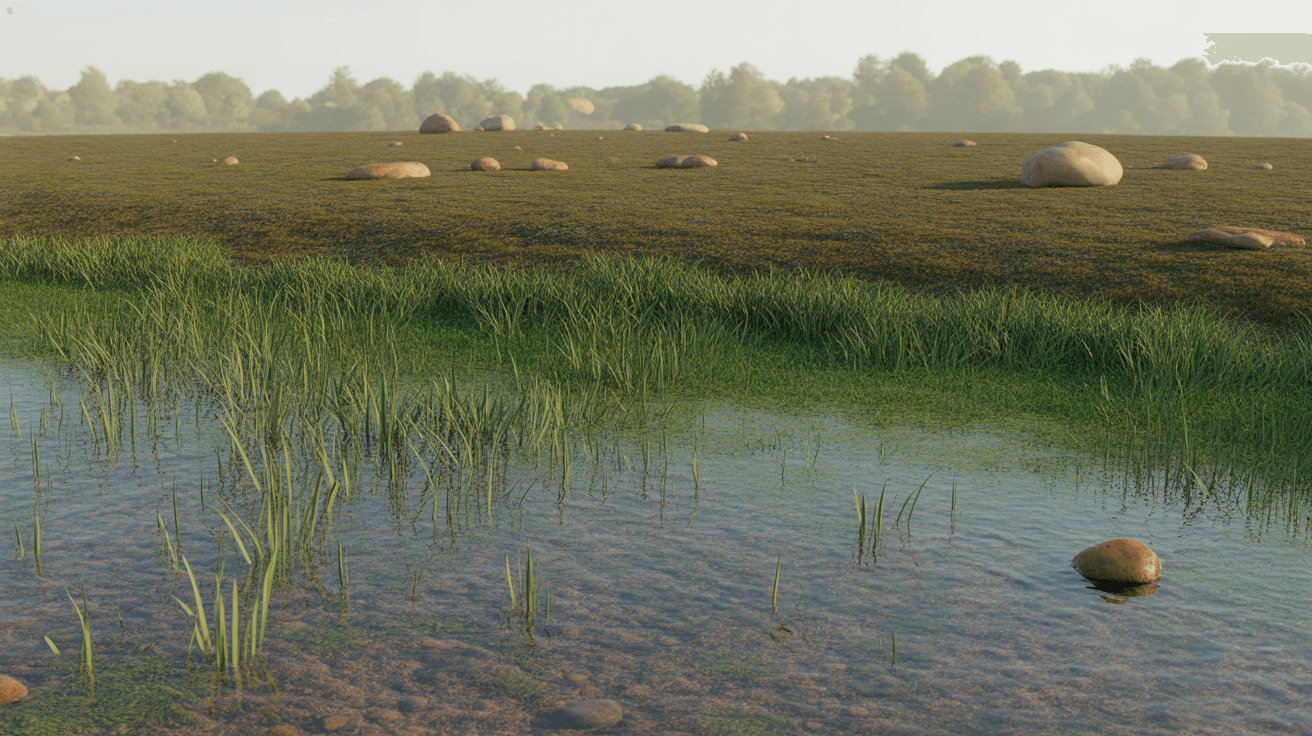
Created byHalfMoon Education
5.0
(6 reviews)
BeginnerUpdated Oct 29, 2025
Wetland Delineation

What You'll Learn

check_circleIdentify wetlands for regulatory and practical reasons.
check_circleDifferentiate between conceptual and regulatory wetland definitions.
check_circleUnderstand the three federal parameters: hydrology, vegetation, soils.
check_circleRecognize diverse wetland types like bogs, fens, and vernal pools.
check_circleApply desktop studies to inform wetland delineation fieldwork.
check_circleUtilize Army Corps data forms for accurate wetland determinations.

About This Course

This three-hour course focuses on wetland delineation for design professionals. The course begins with a discussion on wetland identification and characteristics before diving into the specifics regarding delineation methods, including data collection, on-site investigations and more. 

The core of the course focuses on the "Three Federal Parameters of Wetlands":

  • Hydrology: Learn to identify direct and indirect indicators of wetland hydrology, including surface water, high water tables, watermarks, sediment deposits, and even less obvious signs like the odor of hydrogen sulfide.
  • Hydrophilic Vegetation: Understand how to recognize wetland plants and the critical concept of "dominance" in assessing vegetation. We'll explore wetland indicator statuses (obligate, facultative wet, facultative, facultative upland, and obligate upland) and the importance of regional variations in plant status.
  • Hydric Soils: Discover the characteristics of soils formed under saturated conditions, including various hydric soil indicators and the critical role of soil texture and composition in retention and drainage.

The second part of the course dives deep into "Wetland Delineation Methodology." You'll learn the step-by-step process of accurately delineating wetlands, starting with crucial desktop studies that leverage aerial photography, GIS maps, national wetlands inventory data, and soil surveys. We’ll cover both routine and comprehensive determination processes, emphasizing the importance of precise boundaries for project planning and permitting.

Key topics in delineation methodology include:

  • On-site practices: Learn effective field techniques, reconnaissance strategies, and the ethical considerations crucial for building trust with regulatory agencies.
  • Utilizing Army Corps of Engineers Wetland Determination Data Forms: Gain hands-on understanding of filling out these essential forms, interpreting plant strata, applying the 50/20 dominance rule, and documenting hydric soil characteristics using Munsell soil charts.
  • Addressing Normal Circumstances: Understand how natural and legal long-term conditions (including authorized man-made alterations) establish reference points for delineation.
  • Navigating Atypical and Disturbed Areas: Learn forensic techniques to delineate wetlands where indicators are obscured or destroyed due to human activities or natural events.

By the end of this course, you'll be equipped with the knowledge and practical understanding to confidently identify and delineate wetlands, interpret regulatory requirements, and contribute to informed decision-making in environmental projects.

Your Instructors

HalfMoon Education
HalfMoon Education

Online Courses for Engineers

menu_book128 courses
star842 reviews

HalfMoon Education is a nonprofit continuing education provider offering live webinars and on-demand courses for engineers, architects, landscape architects, land surveyors, attorneys, paralegals, accountants and others. Since 1996, we’ve helped thousands of professionals nationwide stay current with industry standards and codes, earn CE hours, and advance their expertise through practical, expert-led learning experiences. Learn more about us at: www.halfmoonseminars.org

Taylor  J. Sturm, PWS
Taylor J. Sturm, PWS

Senior Project Scientist, B. Laing Associates, Inc., Jericho, NY

Mr. Sturm has been a practicing wetland scientist since he joined the firm in 2012, and has been a partner since 2019. Taylor has delineated and/or assisted with delineating hundreds of acres of freshwater and tidal wetlands and has managed and conducted numerous surveys for endangered / threatened flora and fauna. In addition, Taylor conducts or assists with conducting environmental analyses such as air quality and sound level studies on a wide range of projects. Mr. Sturm is a Project Manager in his own right but frequently provides technical assistance in terms of AutoCAD drawings and data collection. A graduate of Stony Brook University, Taylor obtained a B.S. in Ecology and Evolutionary Biology, and a B.A. in German Language and Literature. He currently holds the designation of Professional Wetland Scientist (PWS #3470). While not working, he enjoys his time outdoors, often found birding and hiking throughout Long Island, as well as looking for owls and moths at night.

Credit Information

What Students Are Saying

5.0
Student's Choice
6 reviews

Frequently Asked Questions

We are a registered provider with 327+ associations and regulatory bodies worldwide. We operate across 29 global markets including Canada, the US, Australia, and the UK. Every course page clearly displays its specific accreditations. Upon completion, you receive a professional certificate that can be validated online. Our certificates include all necessary accreditation details, credit hours, and completion dates, and are formatted specifically to meet the submission requirements of most global regulatory bodies.

You May Also Like

Engineering: Working with Concrete

Basics of Reinforced Concrete

star5.0(73)
3 CPD hrs
Engineering: Engineering Ethics

Engineering Ethics-Case Studies in Theft through Fraud

star4.7(22)
1 CPD hr
Engineering: Stormwater Engineering

Stormwater Best Management Practices: Filter & Drain Swales

star5.0(15)
2 CPD hrs