
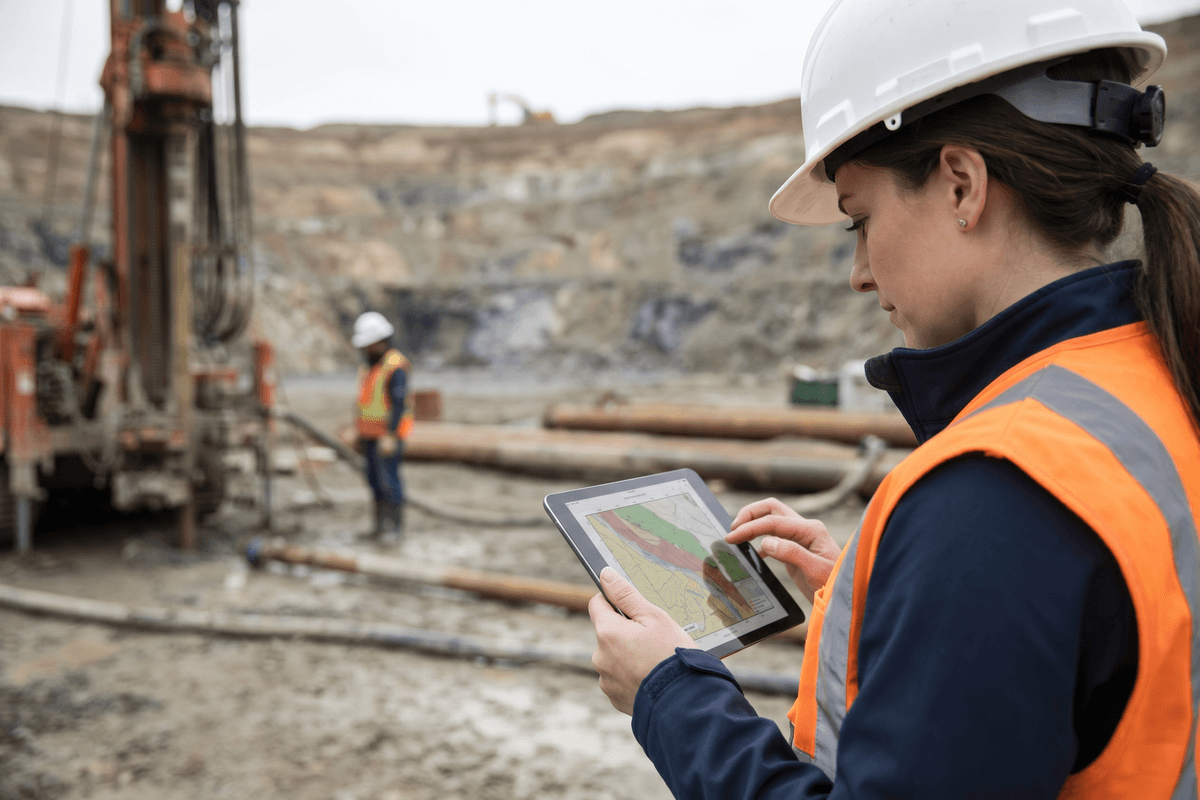



The U.S. engineering and construction (E&C) landscape in 2026 is being reshaped by a singular, inescapable bottleneck: baseload power generation. As artificial intelligence data centers, advanced manufacturing facilities, and electrified transportation networks come online at an unprecedented rate, the engineering sector is pivoting aggressively to meet structural power demands. This pivot is triggering two distinct but deeply connected phenomena: a massive surge in strategic mergers and acquisitions (M&A), and a technological renaissance in the subsurface engineering space—specifically, next-generation geothermal energy.
For U.S. engineering professionals, the mandate is clear. Surviving and thriving in the late 2020s requires mastering complex new power infrastructure technologies while simultaneously scaling operations to handle mega-project delivery. But as capital floods the market and technical requirements become increasingly extreme, the firms that will ultimately win are those that remember the foundational importance of their workforce and community.
The Capital Influx: E&C Dealmaking Surges
The first half of 2026 has witnessed a dramatic reallocation of capital within the engineering sector. According to recent insights on engineering and construction dealmaking, a sharp increase in average deal value during the first two quarters of the year has lifted total transaction values across the board. This surge is not a random market fluctuation; it is a direct response to structural, demand-driven growth.
Historically, the U.S. E&C sector has been highly fragmented, characterized by thousands of specialized regional firms. However, the sheer scale of modern infrastructure—particularly projects targeting AI infrastructure and next-generation power grids—requires balance sheets and multidisciplinary capabilities that small firms simply do not possess.
"The surge in dealmaking reflects a race for scale. Firms are acquiring not just to expand their geographic footprint, but to vertically integrate capabilities in power generation, grid modernization, and advanced civil works," notes the market analysis.
Targeting the Power Deficit
Acquirers are heavily targeting firms with proven track records in power generation and heavy civil infrastructure. The goal is to build "turnkey" power solutions for hyperscalers and industrial clients who can no longer rely on traditional grid timelines. This M&A boom is effectively creating a new tier of "super-contractors" equipped to handle everything from permitting and site prep to advanced generation deployment.
The Subsurface Renaissance: Next-Generation Geothermal
While solar, wind, and nuclear dominate the public discourse on power, the engineering community is quietly mobilizing around a technology that promises 24/7 baseload renewable power: Enhanced Geothermal Systems (EGS) and Advanced Geothermal Systems (AGS).
A new report detailing the next-generation geothermal rig count from 2026–2028 highlights a rapid, geometric growth in subsurface activity. Unlike traditional hydrothermal energy, which relies on naturally occurring hot water reservoirs, next-generation geothermal engineers the reservoir itself. By injecting fluid into hot, dry rock deep underground, engineers can extract heat virtually anywhere in the country—provided they have the technology to reach it.
The High-Temperature Directional Drilling Imperative
This geothermal boom is driving unprecedented demand for high-temperature directional drilling technologies. The engineering challenges here are immense, pushing the boundaries of materials science and mechanical engineering.
- Thermal Degradation: Bottom-hole assemblies (BHAs), measurement-while-drilling (MWD) tools, and logging-while-drilling (LWD) equipment must now operate in environments exceeding 200°C (392°F), temperatures that rapidly degrade traditional elastomers and sensitive electronics.
- Hard Rock Navigation: Unlike the softer sedimentary rocks typical in oil and gas, geothermal targets often involve igneous and metamorphic basement rocks, requiring advanced polycrystalline diamond compact (PDC) bit designs and aggressive cooling mechanisms.
- Precision Trajectories: AGS often requires drilling complex closed-loop systems (essentially underground radiators) that demand pinpoint directional accuracy to intersect vertical and horizontal wellbores thousands of feet below the surface.
The crossover of talent from the petroleum sector to the geothermal sector is accelerating, but the extreme thermodynamic requirements of EGS and AGS mean that existing oil and gas tools cannot simply be repurposed; they must be fundamentally re-engineered.
| Parameter | Traditional Hydrothermal | Next-Gen Geothermal (EGS/AGS) |
|---|---|---|
| Resource Dependency | Requires natural fluid and permeability | Engineered permeability; geography-agnostic |
| Drilling Profile | Primarily vertical, shallow to medium depth | Highly deviated/horizontal, deep basement rock |
| Temperature Environment | 150°C - 200°C | 200°C - 350°C+ |
| Engineering Focus | Fluid extraction and turbine efficiency | High-temp materials, rock mechanics, precision drilling |
Grounding the Growth: The Human Element
As the E&C sector navigates multi-billion-dollar M&A deals and engineers solutions for 300°C subsurface environments, a critical vulnerability remains: human capital. The specialized talent required to execute these projects is scarce. In a highly competitive, consolidating market, employee retention and corporate culture are just as critical to project delivery as advanced drilling rigs.
Top-tier firms are recognizing that sustainable growth requires grounding their workforce in shared values and community impact. A prime example of this is highlighted in a recent update from U.S. Engineering's June 2026 community initiatives. Amidst a booming industrial market, the firm has heavily prioritized "Service, Community and the Next Generation."
Building Culture Through Impact
U.S. Engineering recently hosted its 10th Annual U.S. Engineering Golf Tournament, an event that successfully raised over $100,000 for the High Plains Honor Flight. While on the surface this appears to be standard corporate philanthropy, in the context of the current engineering labor market, it represents a vital retention and culture-building strategy.
Engineers, project managers, and field personnel are facing immense pressure and burnout due to compressed timelines and the sheer volume of infrastructure work. Initiatives that connect employees to their local communities—and to meaningful causes outside of project deliverables—foster a sense of purpose and loyalty that higher salaries alone cannot buy. By investing in the "next generation" and honoring veterans, firms like U.S. Engineering are building the resilient, cohesive teams required to execute the complex technical challenges of the late 2020s.
Looking Ahead: The 2028 Horizon
As we look toward the 2026–2028 horizon, the U.S. engineering sector is operating in a crucible of rapid evolution. The surge in E&C dealmaking will continue to consolidate the market, creating heavy-weight firms capable of tackling the nation's massive power deficit. Simultaneously, the next-generation geothermal rig count will serve as a leading indicator of our success in harnessing new, baseload renewable energy, driving unprecedented innovation in high-temperature directional drilling.
Yet, the ultimate success of this infrastructure super-cycle will not be determined solely by capital or technology. It will be decided by the people turning the wrenches, designing the wellbores, and managing the mega-projects. Firms that can seamlessly blend cutting-edge technical execution with a deeply rooted, community-focused corporate culture will be the ones leading the U.S. engineering sector into the next decade.