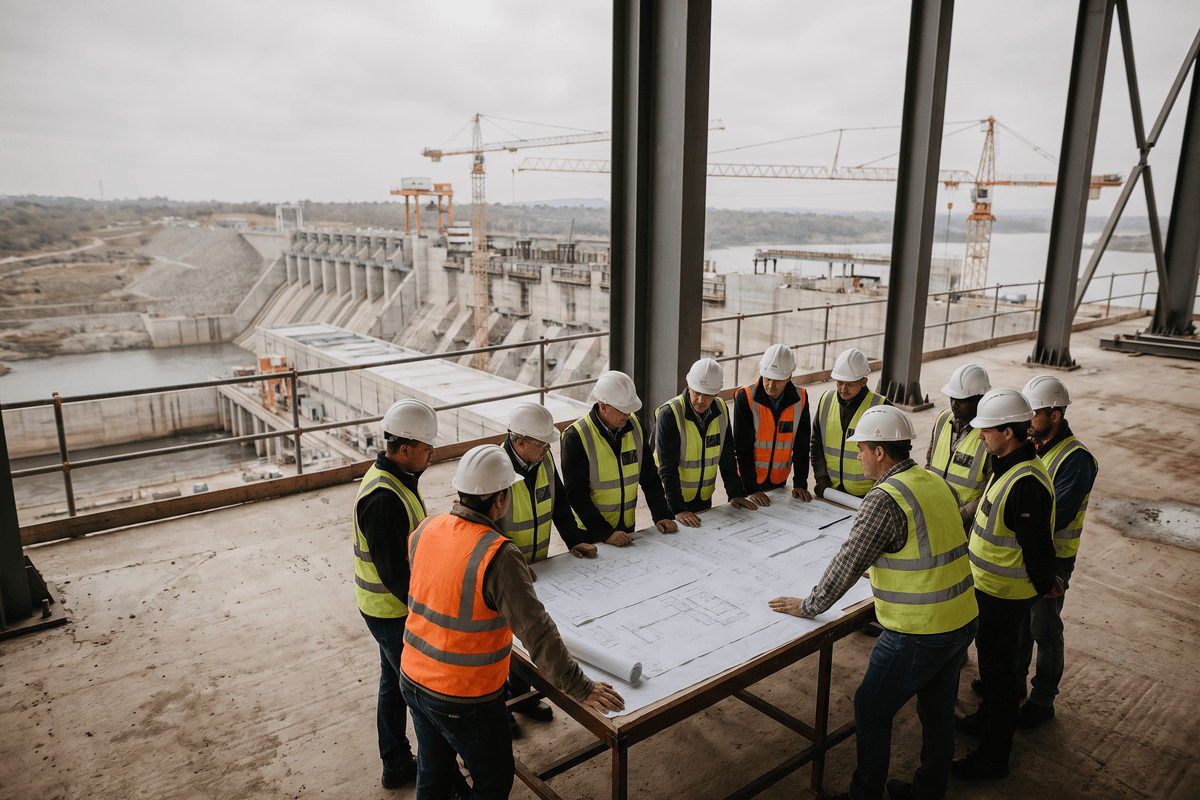
Executing a multibillion-dollar civil infrastructure program is an enormous undertaking under ideal conditions; doing so in the middle of an active hub processing upwards of 35 million passengers annually without disrupting a single flight operation borders on surgical precision. With the completion of its final concourse phase, the $5.1-billion Salt Lake City International Airport (SLC) Redevelopment Program officially marks the culmination of a decade-long masterclass in programmatic phasing, geotechnical innovation, and complex airfield logistics. The achievement provides civil engineers, program managers, and specialty trade contractors across the United States with an indispensable blueprint for brownfield asset renewal in high-consequence ...
The macroeconomic landscape for United States engineering and heavy construction is undergoing a profound structural realignment. Fresh data from the Bureau of Labor Statistics shows that nonresidential construction input prices surged 11.9% year-over-year , sending shockwaves through fixed-price procurement models and eroding contractor margins across civil and structural ...
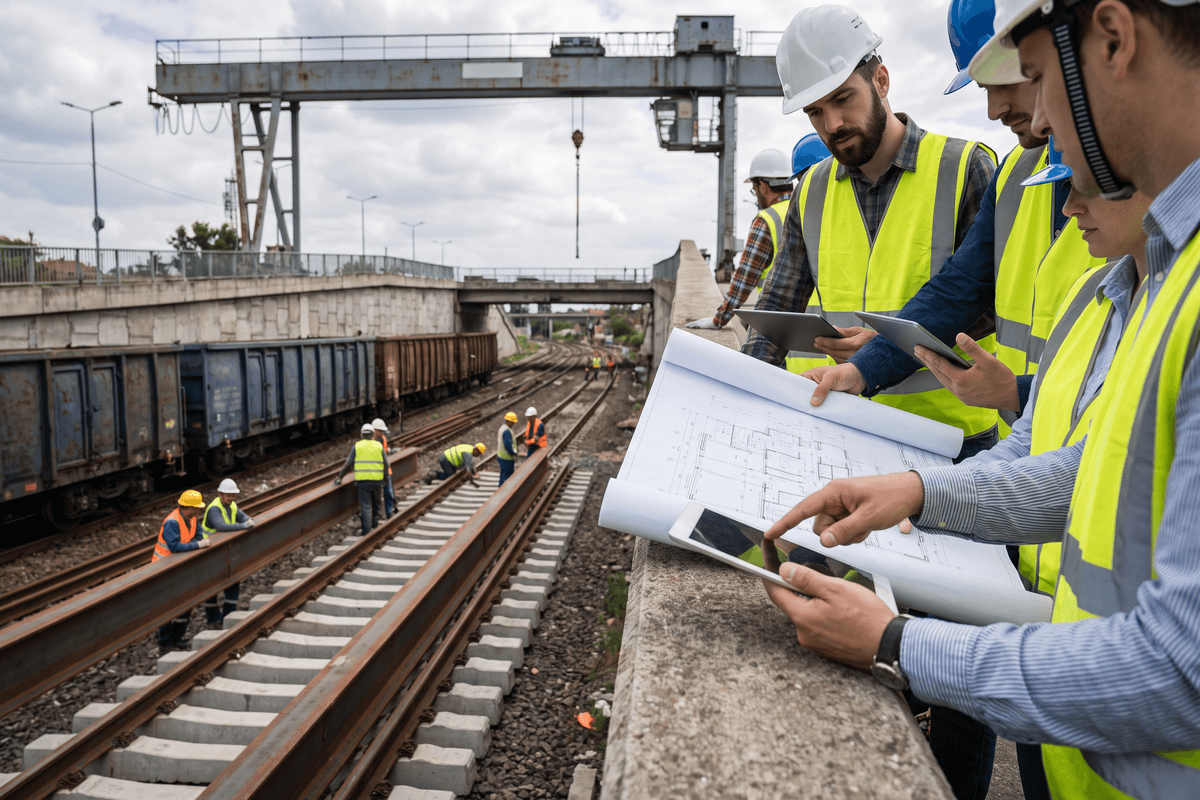
Across the United States, civil and structural engineering teams are confronting a fundamental structural inflection point: the collision of legacy 20th-century assets operating well beyond their design life and a massive redirection of capital toward complex, mission-critical infrastructure. When Amtrak awarded civil engineering leader HNTB the architectural and engineering ...
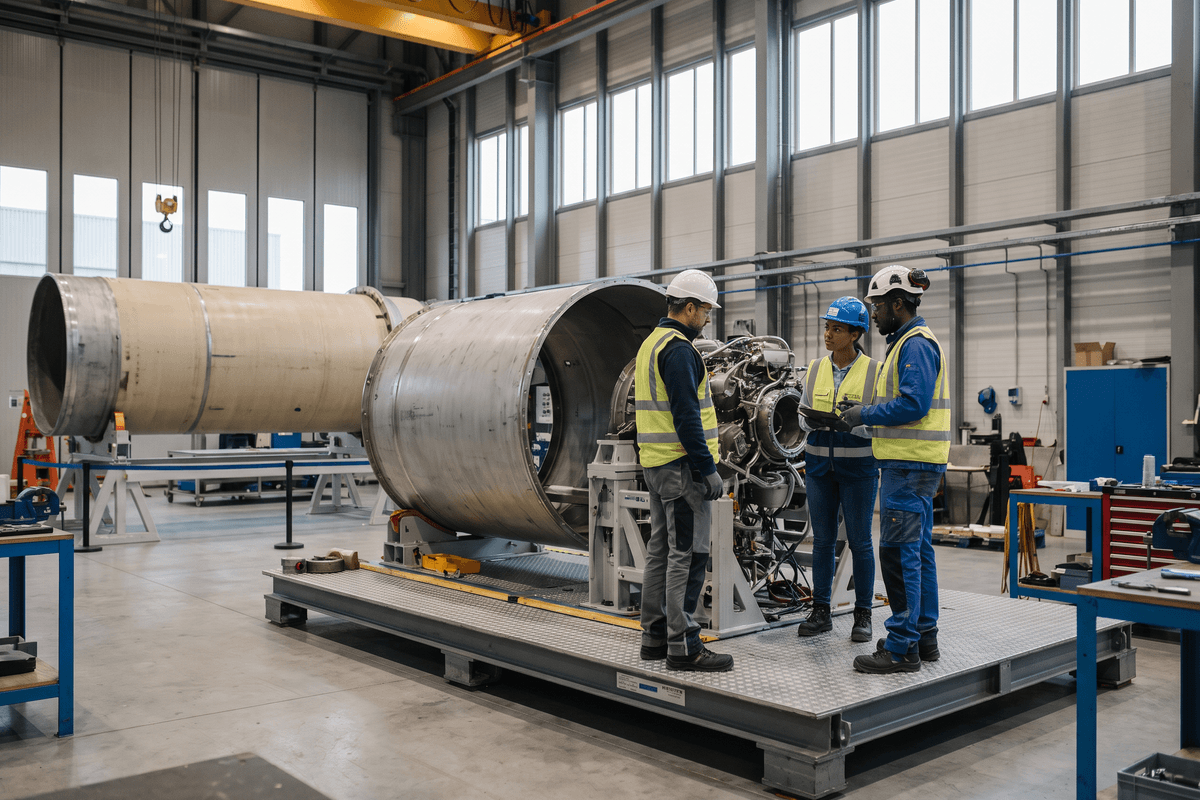
Across the United States, an unprecedented realignment of industrial capacity is underway at the intersection of heavy machinery manufacturing and high-performance sustainable engineering. As domestic reshoring, grid modernization, and infrastructure megaprojects continue to place extraordinary stress on physical project delivery, the equipment that builds America is ...
Across the American transportation landscape—from high-altitude commercial flight envelopes to multi-billion-dollar multimodal transit hubs—engineering delivery is encountering a critical inflection point. For decades, the path from preliminary concept to operational handover was choked by fragmented simulation siloes, legacy regulatory compliance cycles, and volatile ...
Across the United States, engineering and construction executives are confronting a familiar paradox: project planning queues for advanced manufacturing, mission-critical infrastructure, and commercial facilities continue to swell, yet the physical supply chains required to deliver them remain stubbornly constrained. According to recent industry tracking from Data DIGest on ...
For decades, the standard playbook for qualifying mission-critical defense hardware was defined by agonizing timelines. Sourcing cast, forged, or high-tolerance structural components across the Department of Defense (DoD) often meant navigating an 18-to-36-month gauntlet of legacy supply chains, manual tooling setups, and bureaucratic test regimes. However, the operational ...
For decades, the standard hardware engineering workflow in the United States has operated as a series of disconnected, high-friction silos: design in CAD, mesh in finite-element tools, wait days or weeks for multi-physics high-performance computing (HPC) simulations, discover non-linear structural or thermal conflicts, and restart the cycle. That sluggish iteration loop is ...
Across the American industrial landscape, the margin between project delivery and catastrophic delay has increasingly narrowed to two foundational variables: technical talent retention and supply chain velocity. When thousands of aerospace engineers and technicians ratified a decisive four-year contract with Boeing, it did far more than prevent an operational stoppage at one ...
The United States nonresidential construction and engineering sectors have breached another historic threshold. Driven by relentless demand for hyperscale data centers, utility-scale energy generation, and industrial manufacturing capacity, U.S. construction employment reached 8.36 million in September . Crucially, the growth profile reveals an intensifying realignment: ...
America’s aerospace and defense industrial base is undergoing its most aggressive engineering overhaul in over three decades. As precision munitions stockpiles deplete and next-generation defense platforms transition from digital blueprints to serial production, the bottleneck is no longer merely software or microelectronics—it is specialized, high-hazard manufacturing ...
Across the United States, the civil engineering landscape is experiencing a remarkable divergence: nonresidential and heavy civil project starts are surging at a record clip, yet the structural engineering workforce tasked with designing, permitting, and executing these megaprojects faces an increasingly tight labor supply. New industry data reveals that project starts across ...
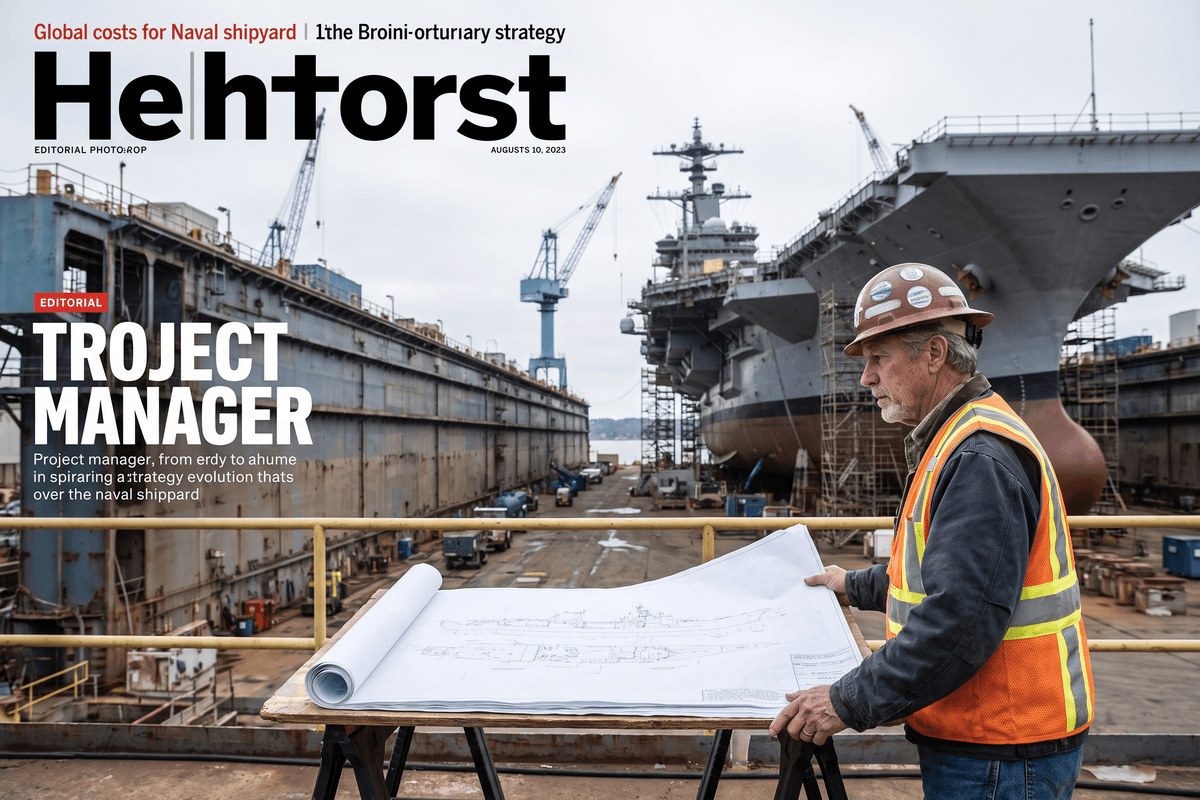
What began in 2018 as a 20-year, $21 billion blueprint to modernize the United States Navy’s aging maritime maintenance backbone has officially crossed into an unprecedented capital tier. According to a landmark assessment by the Government Accountability Office (GAO), the total price tag for the Navy’s Shipyard Infrastructure Optimization Program (SIOP) is now projected to ...